

How Pricing Works
Deals Ka Baap — Know the price before you pay it

How Pricing Works
Cost-plus and value pricing put two different tags on one object

How Pricing Works
Where a recommended retail price comes from and what it is for

How Pricing Works
Prices ending in nine outlived the reason they were invented

How Pricing Works
The machine is priced against the refill it will need

How Pricing Works
One product, three prices, and why that is the design

How Pricing Works
Landed cost: the number a shop is actually working from
The digest
- Two shops, one street, one product, two pricesHow Pricing Works
- Dynamic pricing is a rule somebody wrote in advanceHow Pricing Works
- Good, better, best: what the middle option is forHow Pricing Works
- Markup and margin are different numbers and shops think in one of themHow Pricing Works
- Every price contains the cost of the stock that never soldHow Pricing Works
- A loss leader is an advertising budget spent through the tillHow Pricing Works
- End-of-line stock does not behave like a seasonal saleWhen to Buy
- The successor announcement is the event that moves the old priceWhen to Buy
How Pricing Works
All how pricing works →How Pricing Works
The anchor price still works after you have named it
Knowing that a crossed-out number is a persuasion device does not switch off the comparison it starts in your head.
How Pricing Works
Cost-plus and value pricing put two different tags on one object
A price can be built up from what the thing cost to make, or worked backwards from what a buyer will part with. The two methods…
How Pricing Works
Where a recommended retail price comes from and what it is for
The number a manufacturer prints on the box was never a prediction of what shops would charge. It is a reference point with a job…
How Pricing Works
Prices ending in nine outlived the reason they were invented
The nine on the end of a price is one of the most tested devices in retail, and the popular story about where it came from is…
When to Buy
All when to buy →When to Buy

End-of-line stock does not behave like a seasonal sale
Two things marked down on the same day can be following completely different logics, and only one of them will still be there next…
When to Buy

The successor announcement is the event that moves the old price
Outgoing models do not get cheaper because they got worse. They get cheaper because a date was announced and the shelf now has to…
When to Buy

Clearance runs to a schedule, not to a mood
The reductions that appear at the end of a season are usually planned in advance, in steps, with dates attached. You can shop the…
When to Buy

Seasonal goods are priced by how long a shop can hold them
The cost of storing something until next year is what decides whether it gets discounted now or quietly put away.
Shopping Tactics
All shopping tactics →Shopping Tactics

Unit price is the only number on the shelf that compares like with like
Pack prices are designed to be incomparable. The small print showing price per unit undoes most of that work in a second.
Shopping Tactics

Price history turns a discount claim into something you can test
A percentage off tells you nothing without a series behind it. A series turns marketing into evidence you can read yourself.
Shopping Tactics

Total cost of ownership is a comparison, not a slogan
Two prices are only comparable when they cover the same period, the same consumables and the same eventual disposal. Most…
Shopping Tactics

Stacking offers: why two discounts rarely both apply
Combining a code, a card and a promotion looks like arithmetic. It is actually a set of rules written specifically to stop you…
Traps & Dark Patterns
All traps & dark patterns →Traps & Dark Patterns

What a was price has to mean, and why proving it is hard
Most markets require a reference price to have been genuine. The requirement is easier to write than to enforce, and the gap is…
Traps & Dark Patterns

The countdown timer that resets when you reload
A clock on a page is a design element, not a fact about stock. Some of them are honest and the honest ones behave differently.
Traps & Dark Patterns

Why the first number you see is the smallest one you will pay
Splitting a price into stages puts the lowest possible figure in the advertisement and the rest somewhere you have already…
Traps & Dark Patterns

A bundle can be cheaper and worse value at the same time
Paying less than the sum of the parts means nothing if you would never have bought several of the parts.
Returns & Warranties
All returns & warranties →Returns & Warranties

A guarantee and your legal rights are two different things
One is a promise a company chose to make. The other is what the law gives you regardless. They overlap, and they are not the same…
Returns & Warranties

Free returns are priced in, not given away
Somebody pays for the parcel that comes back, the inspection, the repackaging and the discount it eventually sells at. That…
Returns & Warranties
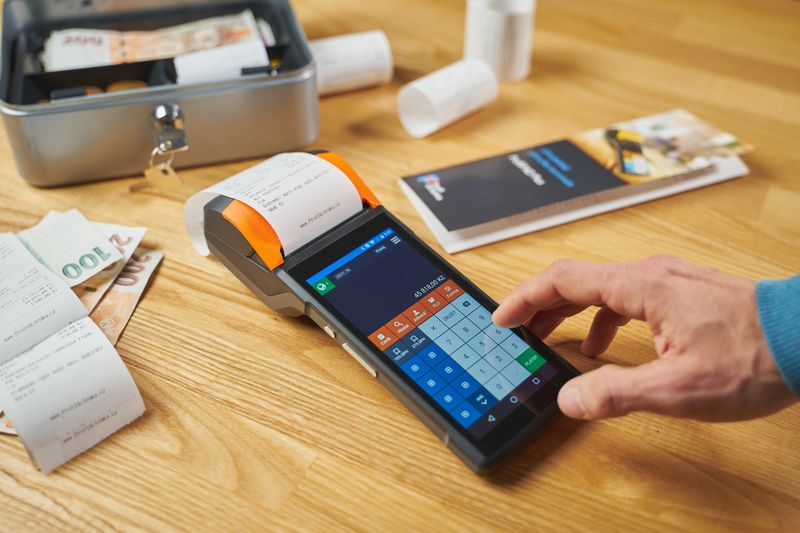
Who carries the risk while the parcel is in transit
A delivery that never arrives, or arrives broken, raises one question before all others: whose loss is it at the moment it went…
Returns & Warranties

The return window is a policy and the legal window may be another
When a shop says you have a certain number of days, that is its own rule. Underneath it there may be a different clock running for…
Household Spend
All household spend →Household Spend

The cheapest per unit is not the cheapest if it spoils
A large pack only wins on price if the whole of it gets used. The part that goes in the bin was bought at full price and thrown…
Household Spend

Eye level, aisle ends and the length of the walk
A supermarket is a priced environment. Where something sits is a commercial decision, and it changes what ends up in the trolley.
Household Spend

Subscription pricing is designed around forgetting
A recurring charge only has to be agreed once and then survives on inattention. That asymmetry is the product, not a side effect.
Household Spend
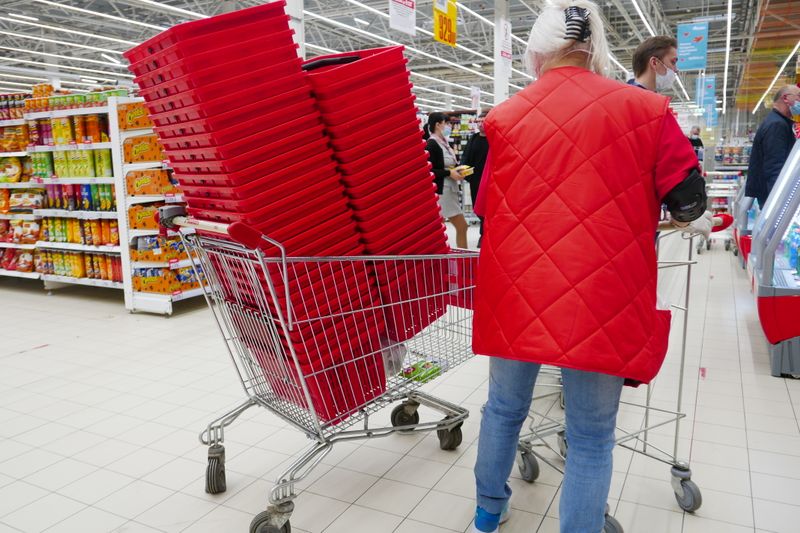
Price per wash, per cup, per kilometre
The useful cost of a household product is measured in the unit you actually consume, which is almost never the unit it is sold in.