
How Pricing Works
Dynamic pricing is a rule somebody wrote in advance
Prices that change through the day are not being adjusted by a person watching you. They are the output of conditions set before you arrived.
There is a settled way of talking about dynamic pricing. It is worth asking how much of it survives contact with the detail.
The argument in brief
- Most dynamic pricing responds to inventory and demand, not to you.
- Rules can interact and produce odd results.
- Repricing is cheapest where the price label is digital.
What the system is watching
Most dynamic pricing systems respond to inventory levels, time remaining, competitor prices and observed demand, all of which are conditions rather than people. Airlines and hotels have priced this way for decades, because a seat or a room is worthless the moment it goes unsold and the calculation is about filling capacity. Retailers adopted the same machinery once labels became digital and competitor prices became machine-readable.
The rules are written in advance and then applied automatically, which is why prices can move overnight with nobody involved. Understanding it as a rule set rather than a judgement about you changes how you respond to it.
Why capacity changes everything
A product with a deadline attached behaves differently from one that can sit on a shelf, because unsold capacity cannot be recovered later. That is why travel, events and anything perishable price aggressively as the deadline approaches, in either direction depending on how full they are. Goods without a deadline face weaker pressure, so their prices move on stock levels and competition rather than on the clock.
Per unit, the practical consequence is that waiting is a real strategy in some categories and a bad one in others. Knowing whether the seller faces a deadline tells you which situation you are in.
Rules that collide
When several sellers all reprice automatically against each other, the results can drift a long way from anything a person would have chosen. Well-documented incidents exist where automated repricing on marketplaces produced absurd figures because two rules chased each other.
Run the arithmetic and more often the interaction is mundane and produces small oscillations through the day that mean nothing at all. A price that jumps and returns is usually a rule cycling, not an offer appearing and vanishing. Treating a short-lived movement as an opportunity is how a rule turns into urgency you did not need to feel.
What it is not
Dynamic pricing is often confused with personalised pricing, but changing a price by time and stock is not the same as changing it by who is looking. Personalisation exists and has been examined by consumer authorities in several regions, with rules and disclosure duties differing by jurisdiction.
Per unit, most of what shoppers notice is far more likely to be a scheduled change, a regional difference or a currency effect than anything aimed at them. Prices that appear to follow you around are usually advertising retargeting rather than a changed price on the product.
If you suspect genuine personalised pricing, comparing in a clean session on another device is the simplest test available to you.
Where the rules are visible
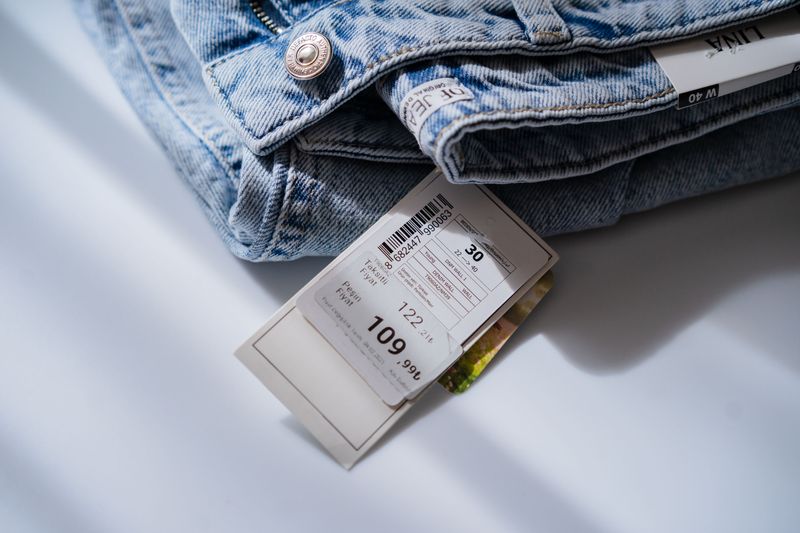
Categories with digital shelf labels or online-only listings reprice frequently, because the cost of a change is effectively zero. Printed price tags impose real friction, so those prices move on a schedule tied to labour rather than to demand.
That difference is why the same chain can be volatile online and stable in store on the same day. Anywhere a price is displayed on a screen, assume it can change without warning and that the change costs nobody anything. Screens are cheap to update, and cheap updating is what makes dynamic pricing possible at all.
Shopping against a rule set
Alerts work better than checking, because a rule that fires at three in the morning is not something you will catch by looking. For deadline-driven categories, decide your acceptable price early and let the alert tell you when the rule reaches it.
Run the arithmetic and for ordinary goods, ignore small daily movement entirely, since it is noise generated by machinery rather than a signal about value. Record what you paid for repeated purchases, because your own history is the cleanest price series you have access to. A rule cannot be argued with, only waited out or met on its terms.
The takeaway
A moving price is machinery, so set an alert and a limit rather than watching and reacting.
The cheapest purchase is still the one you did not make.
Questions readers ask
Is the price changing because of me?
Almost always no. Most systems respond to stock, time and competitor prices. Personalised pricing exists but is far rarer than the movement shoppers notice.
Should I clear cookies before booking travel?
It is a reasonable check but rarely the explanation. Fare movements are usually driven by inventory and departure timing, which clearing your browser does not change.
Also by Imran Shaikh
- The anchor price still works after you have named itHow Pricing Works
- One product, three prices, and why that is the designHow Pricing Works
- Landed cost: the number a shop is actually working fromHow Pricing Works
- Every price contains the cost of the stock that never soldHow Pricing Works


