Returns & Warranties
Who carries the risk while the parcel is in transit
A delivery that never arrives, or arrives broken, raises one question before all others: whose loss is it at the moment it went wrong.
Both approaches to delivery risk work. What differs is what they cost you, and the cost is what this sets out.
The difference in one place
- In many systems risk sits with the seller until delivery.
- Safe-place instructions can shift practical responsibility.
- Photograph damaged parcels before opening fully.
Where the risk usually sits
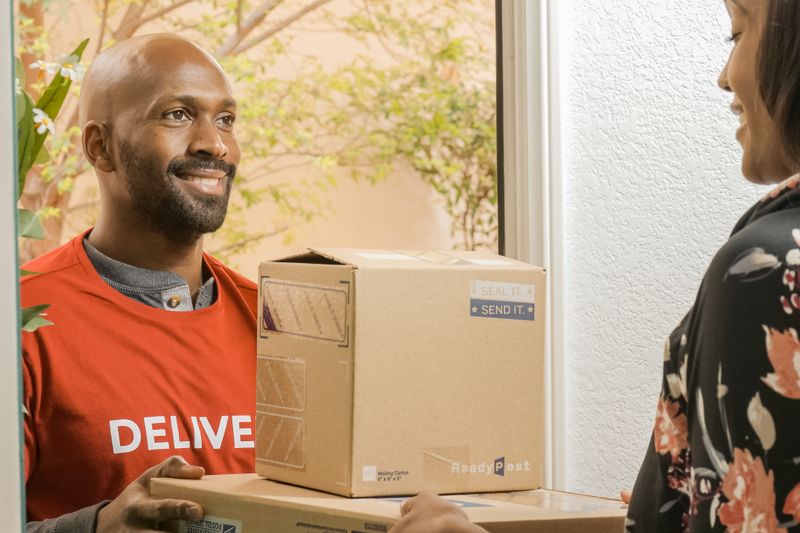
In many consumer regimes the seller bears the risk of loss or damage until the goods are delivered to the consumer or a person they nominated. That means a parcel lost by a carrier is generally the seller's problem to resolve, not something the buyer must pursue with the carrier. Sellers frequently direct customers to the carrier anyway, which is a customer service choice rather than a statement of the legal position.
Where a buyer arranged their own carrier, the position typically changes, since the carrier is then the buyer's contractor. The rules vary between countries, so confirm the position with your own consumer authority before pressing a claim.
Safe places and nominated neighbours
Instructions to leave a parcel in a specified place, or with a neighbour, can affect where responsibility lands if it then disappears. A standing instruction on an account is easy to forget and applies to every subsequent order.
Carrier photographs of a delivered parcel are evidence of delivery to a location rather than of receipt by a person. Where a parcel goes missing after such a delivery, outcomes depend heavily on local rules and on the exact wording of any instruction. Reviewing your saved delivery preferences occasionally is a small task with real consequences.
Damaged on arrival
Photograph the outer packaging before opening it fully, then the packing materials, then the item, in that order. That sequence demonstrates whether the damage was transit-related, which is the question any claim will turn on. Report promptly, since many policies impose short windows for transit damage claims specifically.
The number underneath says something else: signing for a parcel does not usually mean accepting hidden damage, though practice and wording differ. Keep everything until the claim is resolved, because sellers frequently need the packaging returned.
Missing items and short deliveries
A parcel that arrives with items missing is a contract problem with the seller rather than a mystery to be investigated by you. Weight records, packing lists and photographs of the opened parcel are the evidence that resolves these quickly. Opening parcels on camera sounds excessive and is genuinely useful for high-value orders.
The number underneath says something else: report before disposing of any packaging, since the packaging is part of the evidence.
Most such cases resolve straightforwardly when reported quickly and described precisely.
Late and undelivered
Many consumer regimes give rights where goods are not delivered within an agreed period or within a reasonable time after a further request. The usual sequence is to give the seller a chance to deliver, then to treat the contract as ended if they do not.
Doing that in writing creates the record that any subsequent claim or chargeback will rely on. Where a delivery date was essential and stated as such, some systems allow the contract to end immediately. The specifics differ enough between countries that this is worth checking rather than assuming.
Payment routes as a backstop
Card schemes and some payment providers offer dispute processes where goods are not received or are not as described. Those are contractual scheme rules rather than statutory rights, with their own deadlines and evidence requirements. They exist alongside your rights against the seller and are usually a later step rather than a first one.
At the till, attempting resolution with the seller first is normally expected and strengthens any later claim. Keeping dated screenshots of every exchange makes all of these routes considerably easier.
Side by side
| Consideration | What it means in practice |
|---|---|
| Where the risk usually sits | In many systems risk sits with the seller until delivery. |
| Safe places and nominated neighbours | Safe-place instructions can shift practical responsibility. |
| Damaged on arrival | Photograph damaged parcels before opening fully. |
The takeaway
Photograph the parcel before you open it and take the claim to the seller, because that is usually where the risk sat.
Decide what you would pay before you look at what they are asking.
Questions readers ask
A courier lost my parcel. Who do I chase?
In many systems the seller carries the risk until delivery, so the seller is the right party. Rules vary, so confirm the position with your national consumer authority.
Does signing for a parcel mean accepting damage?
Generally it acknowledges receipt rather than condition, but wording and practice differ. Photograph the packaging before opening and report transit damage promptly.
Also by Bhavesh Ranka
- Cost-plus and value pricing put two different tags on one objectHow Pricing Works
- Prices ending in nine outlived the reason they were inventedHow Pricing Works
- Good, better, best: what the middle option is forHow Pricing Works
- The successor announcement is the event that moves the old priceWhen to Buy