Returns & Warranties
On A Marketplace The Seller Is Not The Platform
Buying through a large online marketplace often means contracting with a small independent business, and that changes who owes you a remedy when something goes wrong.

A marketplace page can look identical whether the goods come from the platform itself or from an independent business using it. The distinction is invisible in the design and decisive in a dispute.
Two different transactions in one interface
On a first-party sale, the platform buys stock and sells it to you. Your contract is with the platform and every obligation of a seller rests there.
On a third-party sale, the platform provides listing, payment and sometimes delivery, but the contract of sale runs between you and the merchant. The platform is an intermediary.
The page usually says which, in small text naming the seller and sometimes the dispatcher. Those two lines are the most consequential text on the page.
Fulfilment is not the same as selling
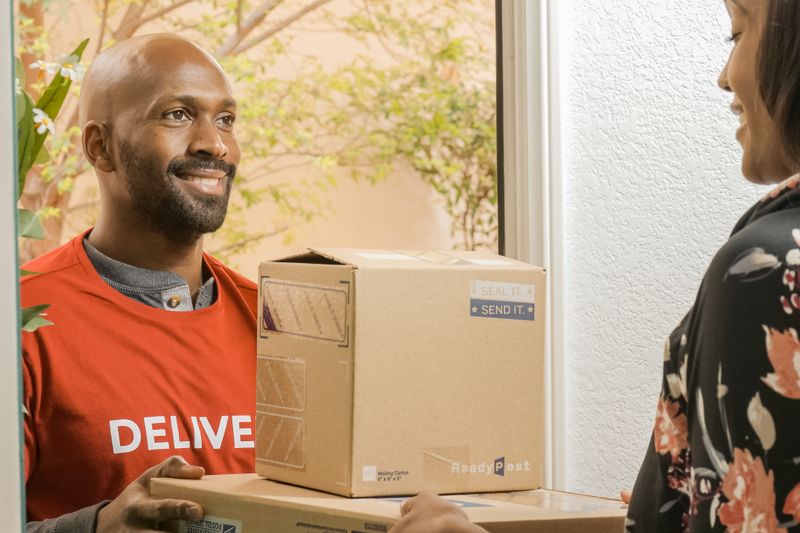
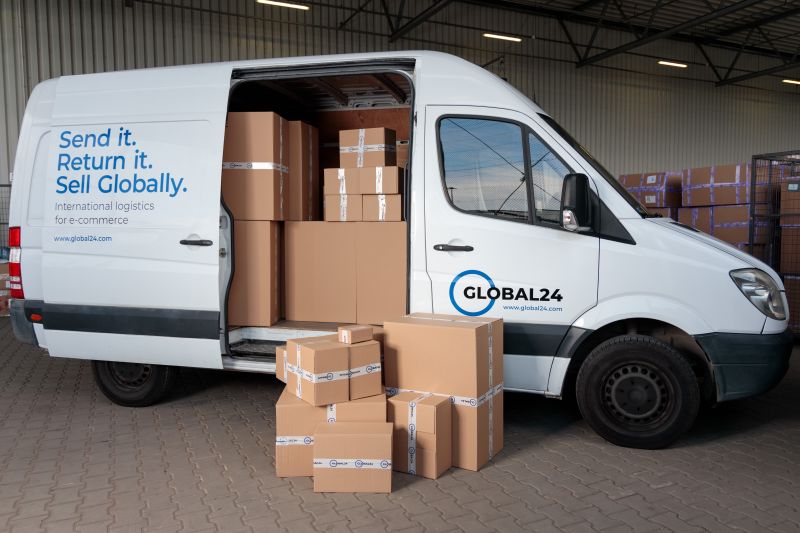
Many marketplaces store and ship goods on behalf of independent merchants. The parcel then arrives in platform packaging, which strongly suggests a first-party purchase.
The logistics arrangement does not move the contract. A merchant whose stock is shipped by the platform is still the seller and still the party owing the remedy.
This is the single most common source of confusion, because the physical evidence points one way and the legal position points another.
Platform guarantees fill part of the gap
Most large marketplaces operate their own buyer protection scheme covering non-delivery and significantly misdescribed goods. It exists because the platform needs buyers to trust unknown merchants.
These schemes are contractual policies rather than legal rights. They have their own windows, their own evidence requirements and their own idea of what counts as covered.
They also tend to be strongest on the simple cases. A parcel that never arrived is easy; a machine that failed after four months is not.
Warranty claims follow a different path again
A manufacturer's guarantee runs from the maker regardless of who sold the item, provided the unit was intended for that market. That path stays open even where the merchant disappears.
Merchants that vanish are a genuine feature of large marketplaces, where accounts open and close continuously. A cheap listing from a new account is a different risk from a long-established one.
Checking how long a merchant has been trading is therefore not snobbery about size. It is an estimate of who will still be there in a year.
What to record at the time of purchase
Screenshot the listing, note the merchant name exactly, and keep the order confirmation showing which party sold the goods. Listings change and vanish, and the page is your description of the contract.
Payment route matters too, since card and payment-provider processes offer a further avenue where a merchant stops responding.
Those few records cost a minute and determine which doors are open later.
Questions readers ask
Can I return something just because I changed my mind?
For distance purchases many countries provide a cancellation period with conditions. For in-person purchases there is often no general right, so it depends on the seller's policy.
What if a fault appears after the return window closes?
The policy window and any legal protection are different things. In a number of jurisdictions a fault claim may still be available, so it is worth asking rather than assuming.
Also by Bhavesh Ranka
- Cost-plus and value pricing put two different tags on one objectHow Pricing Works
- Prices ending in nine outlived the reason they were inventedHow Pricing Works
- Good, better, best: what the middle option is forHow Pricing Works
- The successor announcement is the event that moves the old priceWhen to Buy