Household Spend
The renewal quote goes up because staying is the default
Automatic renewal is convenient for both parties and expensive for one of them. The mechanism is inertia rather than anything hidden.
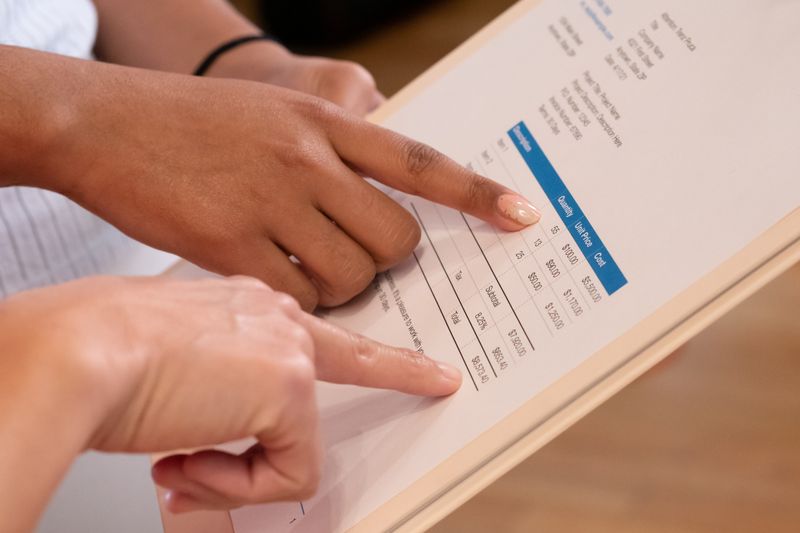
This works through annual renewal quotes in the order the parts actually depend on each other.
The short version
- Renewal prices reflect the low probability of leaving.
- Some regimes require the previous price to be shown.
- A quote elsewhere is the only useful benchmark.
Why renewals drift upward
A renewing customer is far less likely to move than a new one, and pricing reflects that difference in behaviour. Nothing about the product has necessarily changed; what has changed is the estimated probability that you will shop around.
Automatic renewal removes the moment of decision entirely, which is what makes the effect so durable. This is a well-documented pattern across several regulated sectors and has attracted regulatory attention in a number of countries. Understanding it removes the sense of being singled out, because the mechanism is statistical rather than personal.
What regulators have done
Some jurisdictions now require renewal notices to show the previous premium or price alongside the new one. Others have restricted particular pricing practices in specific sectors, and the scope of those rules varies considerably. Where such a requirement exists, the comparison is printed for you and takes seconds to read.
Where it does not, your own previous document is the comparison and is worth keeping for exactly this reason. Check your national regulator for the sector concerned rather than assuming a rule applies.
Benchmarking a renewal
A renewal quote means nothing on its own; it means something compared with what the same thing costs elsewhere today. Obtaining one or two alternative quotes takes a short time and converts an abstract number into a decision.
Run the arithmetic and where comparison is difficult because products differ in coverage or terms, the comparison has to be on equivalent terms rather than on price alone. Recording what you paid last time and what alternatives quoted builds a personal history that makes each subsequent review faster. The benchmark is the point of the exercise, not the switching.
Asking to stay for less
Many providers will match or approach a competing quote, since retaining a customer costs less than acquiring one. The conversation is short when you have an actual alternative figure and long when you do not.
Being willing to move is what makes the request credible, and providers can generally tell the difference. Where a provider will not move, that is useful information about how it prices renewals generally. Either outcome is better than renewing without asking.
Automatic renewal itself
Automatic renewal protects against accidental lapses in cover, which matters a great deal in some sectors. It also removes the annual decision, which is where the cost accumulates. The compromise is to keep automatic renewal switched on and set a personal reminder before the date.
Across a sale weekend, that preserves the protection while restoring the decision, which is the best of both. Rules on renewal notices and cancellation periods vary by country and sector.
Prices, promotions and terms move constantly, so check the current number rather than this one.
A yearly routine
Put every renewal date in one place, with the current price beside it. Set reminders a few weeks before each, which is enough time to obtain alternatives without rushing. Review, ask, and move or stay deliberately rather than by default.
At the till, nothing here is advice about insurance or finance, and anything significant deserves regulated advice where available. The general principle is only that a default should be chosen rather than inherited.
The takeaway
Get one alternative quote before every renewal, because a renewal figure means nothing until something is standing next to it.
The cheapest purchase is still the one you did not make.
Questions readers ask
Why is my renewal more than a new customer pays?
Because renewal pricing reflects the low probability that an existing customer will move. It is a statistical pattern rather than anything aimed at you individually.
Should I turn off automatic renewal?
Turning it off risks an accidental lapse in cover. Keeping it on while setting your own reminder before the renewal date preserves the protection and restores the decision.
Also by Bhavesh Ranka
- Cost-plus and value pricing put two different tags on one objectHow Pricing Works
- Prices ending in nine outlived the reason they were inventedHow Pricing Works
- Good, better, best: what the middle option is forHow Pricing Works
- The successor announcement is the event that moves the old priceWhen to Buy