Household Spend
The Part Of The Grocery Bill That Goes In The Bin
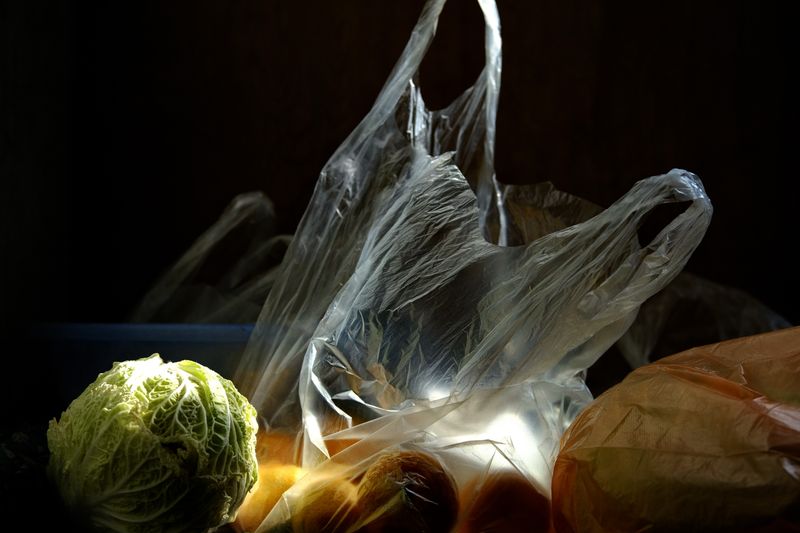
Food thrown away is spending that produced nothing, and the size of it is set by how households buy and store rather than by how much they eat.

Every household throws away food it paid for. That waste is a line on the grocery bill that never appears on a receipt, and its size is driven by purchasing patterns rather than appetite.
Waste is created at the shop, not the bin
Food is discarded because more was bought than could be used before it spoiled. The decision that produced the waste happened at purchase, days earlier.
Large packs and multi-buy offers therefore create waste in exactly the categories where they look most attractive. A cheaper unit price on perishables is only cheaper if all of it is eaten.
That is the quiet reason the lowest price per unit is not automatically the lowest cost. Anything discarded is bought at an effective price of infinity.
Two shopping rhythms produce different losses
One large weekly shop requires forecasting a week of meals in advance, and forecasts degrade the further out they run. Later in the week, plans change and food does not.
Frequent small shops forecast a day or two ahead and waste less, at the cost of more trips and more exposure to unplanned purchases.
Neither is universally better. The trade is between forecasting error on one side and impulse spending on the other.
Storage decides how long the forecast has to hold
Freezing converts a perishable into a durable, which removes the deadline that produces waste. Anything frozen before it spoils has had its clock stopped.
The same applies to how items are stored day to day. Small differences in temperature and packaging change shelf life enough to matter across a full basket.
Storage is therefore the cheapest intervention available, because it does not require changing what is bought at all.
Date labels do different jobs
Labels indicating safety and labels indicating quality are not the same instruction, and they are printed in similar type in similar places.
Treating a quality indicator as a safety deadline discards edible food. Treating a safety indicator as advisory does the opposite and is a genuinely different risk.
Knowing which category a given food falls into is the piece of information that separates the two behaviours.
The visible saving is in what was already bought
Effort spent hunting cheaper prices operates on the portion of the bill that gets eaten. Effort spent reducing waste operates on the portion that does not, where the recovery rate is complete.
For most households the second is the larger and less demanding of the two, because it requires no comparison shopping and no change of retailer.
It also compounds with everything else: a bin that stays empty makes every other saving on the bill worth more.
Questions readers ask
Are bundles cheaper than buying separately?
Sometimes genuinely so, because serving one household with several products costs a provider less. It depends on whether you actually use every component.
Can I drop one part of a bundle?
Often not without affecting the whole arrangement, since bundles usually share a single contract term and early termination charges apply to the bundle rather than a component.
Also by Bhavesh Ranka
- Cost-plus and value pricing put two different tags on one objectHow Pricing Works
- Prices ending in nine outlived the reason they were inventedHow Pricing Works
- Good, better, best: what the middle option is forHow Pricing Works
- The successor announcement is the event that moves the old priceWhen to Buy